Meeting notes that actually get used
Most meeting notes are never read again. Here's the format that makes notes worth writing - short, structured, and tied to a person.
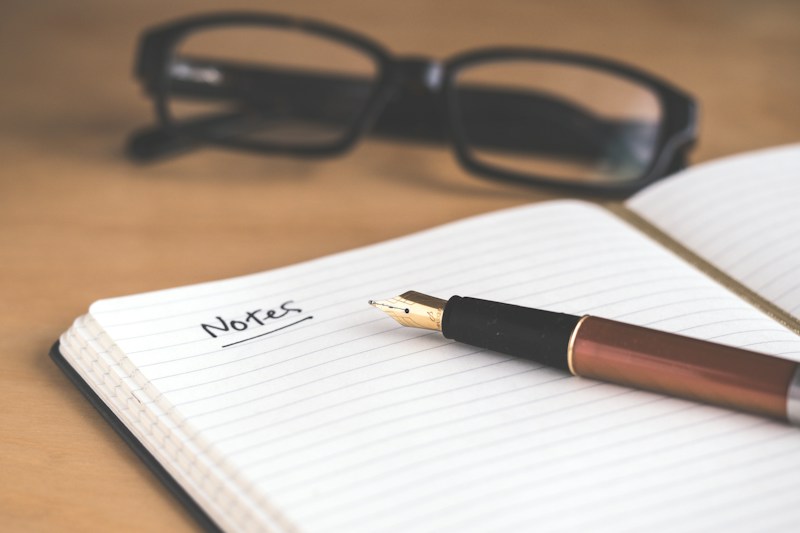
Most meeting notes are not notes. They're transcripts - a sequential record of everything that was said, written while the meeting was happening. Transcripts are almost never read again. They're too long, too unstructured, and too tied to the specific thread of conversation to be useful later.
Useful meeting notes look completely different. They're written after the meeting, not during it. They're short, structured, and tied to a specific person.
Why tying notes to a person changes everything
If you want to prepare for a conversation with Sarah next week, you don't want to scroll through every one-on-one you've ever had. You want to open Sarah's record and see everything relevant to her - notes from one-on-ones, flags from her performance review, observations from when she was going through something difficult.
When notes are tied to a person, they become a portrait. When they're filed by meeting, they become an archive.
The format that actually works
1. What was discussed
Two to four sentences. The substance of the conversation, not the transcript. What would you tell someone who wasn't there?
2. What was decided or agreed
Any commitments made - by you or by the employee. Be specific. Not "we talked about the promotion" but "Sarah asked about the timeline. I said we'd revisit in Q3."
3. What to watch or follow up on
The thing you want to remember for next time. "She seemed disengaged - worth checking in on in two weeks."
Consistency over completeness
A short note written after every one-on-one is worth ten times a detailed note written once a quarter. The value of a note system is in the pattern it reveals over time.
The rule: Write something after every meeting. It doesn't have to be good. It has to exist.